
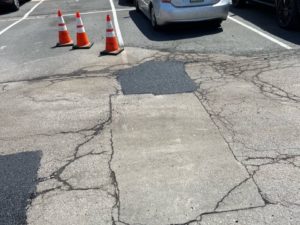
Long freeze-thaw swings in Warminster, PA, push commercial pavement harder than most facility managers expect. Once water settles into small openings across shopping centers, office parks, or industrial yards, winter cycles around Evergreen Avenue and the Mearns Road corridor turn small flaws into serious surface failures. Pavement without sealcoating breaks down early because it loses protection against moisture, UV exposure, and road salt.
The short answer is simple: unsealed asphalt ages early, costs more to maintain, and often needs reconstruction years sooner.
This guide explains how unsealed pavement deteriorates over time and how commercial property owners in Warminster can time sealcoating before repairs multiply.
Key Takeaways
- Oxidation dries out unsealed asphalt and causes early brittleness in parking lots.
- Warminster’s freeze–thaw cycles speed up cracking and weaken the base under heavy commercial use.
- Most commercial lots benefit from sealcoating every two to three years to maintain surface strength.
- Traffic load, drainage, and site exposure drive the right maintenance schedule for each property.
Oxidation Begins Soon After Installation
Oxygen stiffens asphalt binders almost immediately, making new commercial pavement brittle long before cracks appear.
In business districts near Warminster Community Park and along York Road, dark pavement fades to gray within a year because the surface cooks under sun exposure and steady traffic.
As the material dries out, micro-fractures form, allowing early moisture intrusion under daily loading from employee vehicles, delivery vans, or vendor traffic.
Companies often notice this early color fade on large lots with open exposure.
The key point is that oxidation begins long before damage looks serious, and sealcoating slows that process significantly.
Hairline Cracks Form in the First Few Winters
Small cracks expand as temperature swings push water in and out of the asphalt. In commercial areas off Norristown Road, freeze cycles widen cracks from beneath, and turning traffic from service vehicles breaks the edges faster. Continued exposure opens pathways for more moisture, which accelerates sub-surface damage.
At this stage, sealcoating still helps, but additional prep work becomes necessary. Addressing these cracks early saves commercial properties from higher repair costs later in the cycle.
Moisture Weakens the Base Layer
Once water reaches the aggregate base, it softens the foundation that supports heavy vehicle activity. Lots near wetter sections of Little Neshaminy Creek experience this sooner because groundwater remains elevated after storms. When the base weakens, the surface above flexes under traffic loads from box trucks and fleet vehicles.
This movement transforms minor cracking into spreading gaps. Soft areas often feel spongy underfoot during inspections, which signals that structural failure is already underway.
Cracks Spread and Connect
As the base loses strength, cracks eventually connect into wide patterns known as alligator cracking. This pattern is common across older commercial lots in the York Road corridor, where daily traffic and recurring delivery routes add repetitive stress. The surface grows uneven, and water collects in depressed areas.
Once these patterns develop, patching loses effectiveness because repairs cannot bond well to an unstable foundation. Sealcoating still protects the remaining surface, but it cannot correct underlying load-bearing issues that have already started.
Potholes Form as Sections Collapse
Potholes form when moisture destroys enough base material for pieces of asphalt to collapse. In the industrial zones off Mearns Road, potholes often appear after snowplow equipment scrapes weakened areas during winter operations. Daily traffic then breaks the edges further.
Pothole repairs become more complex and more costly because the compromised base must be rebuilt before new asphalt is installed. Sealcoating cannot reverse pothole formation; it only prevents the early conditions that lead to it.
Key Considerations for Deciding When to Schedule Sealcoating
Surface Condition Shows the First Signs
Fading color and surface raveling signal that commercial pavement is losing its protective barrier. Around Log College Drive and nearby business facilities, high turning pressure from buses and delivery vehicles speeds wear on drive lanes. A chalky appearance or rough texture usually means the surface is past its ideal first-time sealing window.
Once these signs appear, scheduling sealcoating during the upcoming warm season helps preserve the remaining binder and delays more expensive repairs.
Climate Patterns Shape the Best Timing
Warminster’s winter freeze cycles produce more cracking than towns farther south.
Heavy spring rain pushes water into the pavement structure before temperatures stabilize. These conditions mean most commercial parking lots benefit from sealcoating every two to three years.
Large open lots, especially those facing south toward Street Road, dry out faster under afternoon sun and may require more frequent maintenance.
Performing sealcoating between late spring and early fall allows the coating to cure properly under extended warm conditions.
Traffic Load Changes the Schedule
High-use commercial parking lots break down earlier, especially those supporting constant employee turnover, delivery traffic, or fleet movements. Facilities near the Warminster SEPTA station experience faster surface wear due to consistent vehicle flow throughout the day.
Industrial locations and retail centers with heavy truck traffic face even more stress. Concentrated turning areas near loading docks and delivery zones deteriorate early, making a tighter sealcoating cycle essential for preventing base damage.
Surrounding Drainage Dictates Repair Urgency
Poor drainage exposes commercial pavement to prolonged moisture, which accelerates structural failure. Properties in lower-lying sections of East County Line Road often see water pooling in the same areas after storms. Standing water pushes into the base and shortens pavement life significantly.
If your lot holds water for extended periods, sealcoating becomes more urgent and may need to follow drainage adjustments to protect the investment.
Local Regulations Influence Project Timing
Commercial properties near Ivyland and Jacksonville Road operate under local township guidelines that affect site work, runoff control, and contractor scheduling. While sealcoating itself is not mandated, adherence to curing conditions and access planning is essential for facilities with high daily traffic.
Coordinating with township expectations and minimizing operational disruptions often shapes the best window for completing work.
Protect Your Pavement Before Repairs Multiply
Damage accelerates on commercial pavement long before cracks look severe. Ignoring early signs increases both repair depth and cost.
A sealed surface protects your investment and slows the cycle of moisture intrusion, cracking, and base failure that many Warminster commercial properties face. At Associated Paving Contractors, Inc. (APCON), we help facility managers determine the right timing so pavement stays strong through local winters and heavy traffic demands.
Reach out today to schedule service or request a quote.
Frequently Asked Questions
How can I tell if our commercial parking lot in Warminster needs sealcoating soon?
Fading color, raveling, and widening cracks signal that the surface is losing binder and needs protection. Our team evaluates traffic wear patterns, moisture intrusion, and early oxidation during site visits across business parks near York Road and Mearns Road.
How long does sealcoating last on heavily used commercial lots?
Most commercial sealcoats in Warminster last two to three years because freeze–thaw cycles and road salt accelerate surface wear. High-traffic properties near Street Road or SEPTA transit routes may need shorter cycles to maintain surface integrity.
When is the best season to sealcoat a commercial property?
Late spring through early fall offers the warm, dry conditions needed for proper curing. We typically avoid early spring work on low-lying commercial sites near County Line Road that stay damp longer after storms.
What prep work should a business expect before sealcoating?
We clean the surface, fill cracks, and identify soft base areas that require patching to ensure the coating bonds correctly. Industrial properties with heavy debris or loading-dock wear often need additional surface preparation before sealing.