
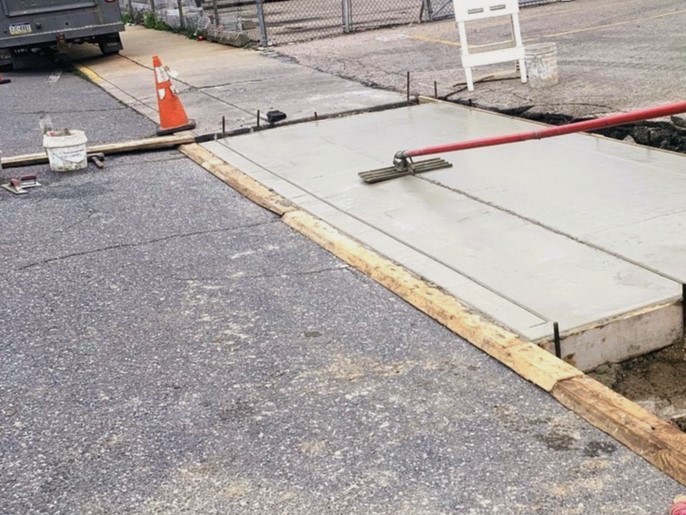
 Small cracks, surface scaling, and joint separation show up fast on commercial properties in Warminster, especially after freeze-thaw cycles and heavy truck traffic near Route 611 and Jacksonville Road. Those issues may look cosmetic at first, but they rarely stay that way. Addressing minor concrete damage early keeps costs predictable, limits downtime, and protects how your property functions and looks to tenants, customers, and inspectors.
Below, we explain why early concrete repair matters for commercial sites and when it makes sense to bring in a professional crew before damage spreads.
Key Takeaways
- Minor concrete damage allows water and load stress to accelerate structural failure.
- Early concrete repair reduces liability and limits disruption to commercial operations.
- Reappearing cracks and spalling signal deeper issues that need professional repair.
- Proactive repairs cost less than large-scale replacement on commercial sites.
Water Intrusion Accelerates Structural Breakdown
Cracks and small surface defects allow water to seep below the slab, which is a major problem in Bucks County, where winter freeze-thaw cycles are common. Once moisture penetrates the concrete, it expands during freezing temperatures and widens cracks from the inside out.
On commercial lots near industrial parks off Street Road, this often leads to subbase erosion that compromises load-bearing capacity. Early crack sealing or patching blocks that water path before the damage reaches the base layers.
A simple repair now helps avoid slab replacement later.
Minor Damage Quickly Becomes a Safety Liability
Uneven panels, spalling edges, and small potholes create trip hazards for employees and customers moving between parking areas and building entrances.
Commercial properties near shopping centers or medical offices in Warminster see constant foot traffic, which increases exposure to claims.
Once an injury occurs, documentation often shows the defect existed well before the incident. Proactive concrete repair reduces liability and supports safer site conditions year-round.
Fixing minor damage early is a practical way to limit risk.
Heavy Commercial Loads Exploit Weak Points
Delivery trucks, trash dumpsters, and service vehicles put concentrated stress on already damaged concrete. Areas like loading docks and service drives behind retail buildings take repeated impact that turns hairline cracks into full-depth failures.
When minor damage is ignored, weight transfers unevenly and accelerates panel movement. Targeted repairs reinforce those weak points before loads cause widespread deterioration.
Early intervention keeps operational areas functional.
Repairs Are Less Disruptive When Done Early
Small-scale concrete repairs can often be completed quickly with limited impact on parking or access. Once damage spreads, repairs take longer and require larger work zones that disrupt tenants and operations.
Properties near Warminster Industrial Park often rely on tight delivery schedules that cannot accommodate extended closures. Addressing issues early allows for phased work and easier scheduling.
That flexibility disappears when damage becomes extensive.
Property Appearance and Compliance Matter
Cracked and deteriorating concrete reflects poorly on commercial properties, especially those competing for tenants along major corridors like York Road. Municipal inspections, ADA considerations, and lease requirements often reference pavement and walkway conditions.
Minor damage left unattended can trigger compliance issues during routine inspections. Early concrete repair helps maintain a professional appearance and supports regulatory expectations. It also protects property value over time.
When to Seek Professional Concrete Repair to Prevent Costly Repairs
Certain conditions signal that minor damage needs professional attention to prevent larger, more expensive failures.
Cracks That Widen or Reappear After Patching
Hairline cracks that continue to widen or return after basic patching often indicate movement below the slab. This is common on older commercial sites in Warminster, built over variable soils or areas with poor drainage.
Repeated cracking suggests the issue goes beyond surface wear. Professional repair addresses underlying causes such as joint failure or base instability. Ignoring these signs leads to full slab replacement.
Surface Spalling in High-Traffic Areas
Spalling occurs when the concrete surface flakes or chips away, often from deicing chemicals and moisture exposure. On commercial parking lots and sidewalks near office buildings, spalling reduces traction and exposes aggregate.
If left untreated, it spreads quickly across the slab surface.
Professional repair restores the surface before deeper deterioration sets in. Early treatment extends the usable life of the concrete.
Joint Deterioration and Sealant Failure
Control and expansion joints are designed to manage movement, but failing sealant allows water and debris to infiltrate. In Warminster, clogged joints are common after fall leaf buildup and winter snow removal.
Once joints fail, adjacent panels begin to shift and crack.
Professional joint repair and resealing prevents that movement from spreading across the pavement. This work is far less costly than panel replacement.
Settling or Uneven Panels
Concrete panels that settle or lift create drainage issues and trip hazards, especially near entrances and crosswalks.
These conditions often appear minor at first but worsen with each storm.
On commercial sites with poor runoff management, water pooling accelerates erosion under the slab. Professional repair corrects elevation issues before surrounding panels are affected. Early action limits how far the damage spreads.
Repeated Temporary Fixes No Longer Hold
When temporary patches fail repeatedly, the underlying problem needs a permanent solution. This is common on service drives and dumpster pads that see constant heavy use. Each failed patch increases repair costs and operational frustration.
Repair from commercial concrete contractors resolves the root cause instead of masking symptoms. That approach saves money over the life of the pavement.
Get Ahead of Concrete Damage Before It Escalates
Minor concrete damage rarely stays minor on commercial properties, especially under Warminster’s climate and traffic conditions. Early repair protects safety, controls costs, and keeps your site operational without major disruptions.
At Associated Paving Contractors, Inc. (APCON), we help commercial property owners and managers address concrete issues before they turn into costly replacements. Our team evaluates damage, identifies underlying causes, and delivers durable repairs tailored to how your site is used.
If you are seeing early signs of cracking, spalling, or joint failure, now is the right time to act. Contact us today to schedule service or request a quote and keep minor concrete damage from spreading.
Frequently Asked Questions
How do I know if a small crack on my commercial lot is a real problem?
Cracks that change width, collect water, or appear near joints often signal movement below the slab. Those conditions suggest the issue is more than surface wear. Professional evaluation helps determine if crack sealing or structural repair is needed. Early assessment prevents larger failures.
Can concrete repair be done without shutting down my parking lot?
Many commercial repairs can be phased to keep portions of a lot open. Scheduling around business hours or deliveries is often possible. Early repairs are smaller in scope, which makes access management easier. Larger failures limit those options.
Does freeze-thaw damage really affect commercial concrete that much in Warminster?
Yes, repeated freeze-thaw cycles in southeastern Pennsylvania are a leading cause of cracking and spalling. Moisture entering small defects expands when frozen and worsens damage each winter. Proper repair and sealing reduce that risk significantly.
How often should commercial concrete be inspected for early damage?
Annual inspections are a good baseline, with additional checks after winter or heavy construction activity. High-traffic areas like loading zones should be reviewed more often. Regular inspections help catch minor damage before it spreads.